SR
SEO Registry
Independent SEO credential · 60+ planted issues

Find the SEO issues
we planted. Earn the credential.

A deliberately broken e-commerce site with 60+ SEO issues hidden inside it — from beginner mistakes to traps only senior SEOs catch. The site blocks crawlers and AI agents on purpose, so you audit it the way real auditors do when the tools fail: with your browser, dev tools, and your reading.

Browser-only audit·Verifiable badge URL·Scored in seconds
60+
Issues planted
4
Tier credentials
18
Products in the test site
0
Crawlers permitted
The brief

Real audit, fake store, honest score.

The test site is a fully built Next.js e-commerce store called Lumora — 18 products, full categories, blog, checkout. Looks normal. Behaves normally. We planted the issues; we don't tell you what they are or where they are. That's the test.

And because crawlers, audit suites, and AI agents are blocked at the network level, you audit it the way real auditors do when the tools fail: by reading the page, opening dev tools, and noticing. Then send us your findings.

What we don't tell you
  • The issuesWe don't list categories, count by type, or flag the page surfaces involved.
  • The trapsSome patterns are designed to evade casual auditing. Most candidates miss them.
  • The answersNo master list is published. The test relies on you finding what's there.
  • The gradingEach finding maps to a specific entry on a private answer key. Vague claims don't count.
What you'll be auditing

A real-feeling e-commerce store, broken on purpose.

Lumora is a fully built Next.js shop with 18 products across 5 categories, a blog, search, cart, and structured data. It looks completely production-normal at first glance — and breaks under careful auditing.
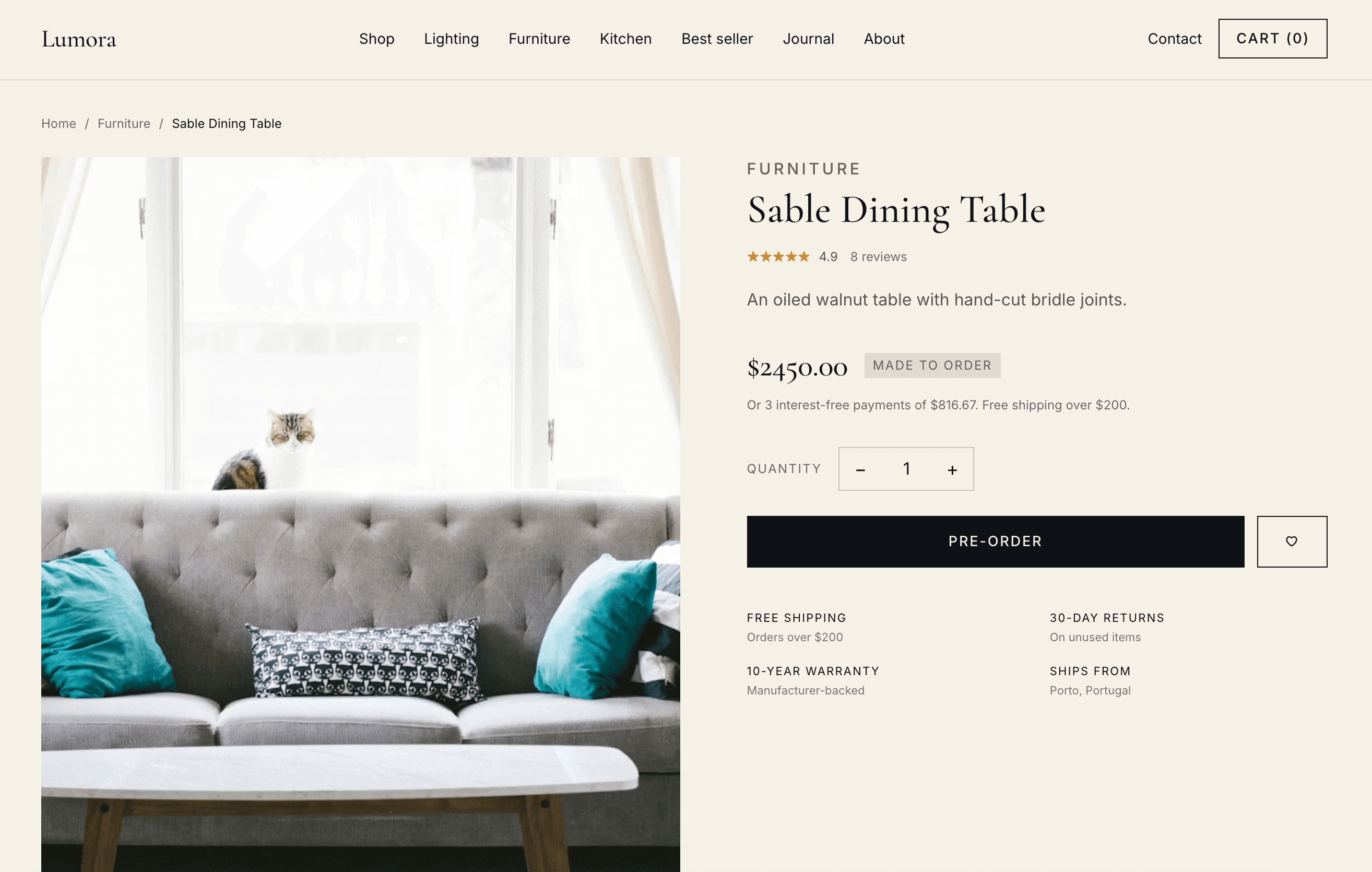
Screenshot of the Lumora test site — a deliberately broken e-commerce store users audit as part of the SEO Registry challenge.
Lumora — the test site, available to signed-up users.
The process

Four steps. No friction.

Detailed walkthrough →
01
Sign up
One form, one minute. We email you the test brief and the test-site URL. The URL is not on the public internet — only signed-in candidates receive it.
02
Audit the site manually
Open the test site in your browser. Crawlers, audit suites, and AI agents are blocked at the network level — by design, so the audit measures you, not your tooling. Use your browser, dev tools, and reading.
03
Submit your findings
Send us a list of the issues you found, with a one-line explanation of each. Free-form — paste from Notion, Google Docs, Slack. Specific findings score; generic claims don't.
04
Earn your credential
We score against the master answer key and return your scorecard inline. Add your tier to your CV or LinkedIn — verifiable at the registry.
Awards

Earn your tier.

Four credentials, ascending in difficulty. Each is a standalone verification — not a step toward the next. Most candidates land between Practitioner and Specialist. Guru is rare; the patterns are built specifically to evade casual auditing.

All tier criteria →
Tier 1
Apprentice
Find 8+ issues
Tier 2
Practitioner
Find 18+ issues
Tier 3
Specialist
Find 30+ issues
Tier 4
Guru
Find 42+ issues including Guru patterns
For employers

Verify SEO candidates
against a real audit.

Look up a candidate by name in the public registry, or check the verifiable badge URL on their CV. Each tier maps to a specific seniority level — published rubric, not vibes. Or run candidates through the test directly with the hiring kit.

  • Public registry lookup by name
  • Verifiable badge URL on every credential
  • Tier-to-seniority rubric, published
  • Hiring kit: anonymous candidate links + private dashboard
  • Crawler-blocked test site — candidates can't outsource the audit to AI
Common questions

A few we hear most.

Your browser and its developer tools — Inspect, Network, Console, View Source. Nothing else. The test site blocks all crawlers, audit suites, and AI agents at the network level: Screaming Frog, Sitebulb, Ahrefs Site Audit, Semrush, GPTBot, ClaudeBot, and the rest are denied. The point of the credential is to measure whether you can audit, not whether you can run a tool over a site.
By design — to prevent AI-assisted cheating. If we let people pipe the test site through GPTBot or run a Sitebulb audit and paste the report in, the credential would measure tool ownership, not auditing skill. Blocking automation is what makes the result meaningful.
Each finding has to map unambiguously to a specific entry on a private master answer key. Generic claims ("the metadata could be better") match nothing. The grader is conservative — high and medium confidence matches count, low does not. Combined with the manual-only constraint on the test site, scoring measures specific, evidence-backed observations of an SEO who actually opened the page.
Submissions are graded against the master answer key by an AI grader using a published rubric. Each of your findings is matched to a master-list entry at high, medium, or low confidence; your score is the count of unique high- and medium-confidence matches. Tier follows from the score plus the kinds of patterns you caught. Full methodology: /methodology.
Consistency. A panel of human graders drift over time and across reviewers; an AI grader applied to a fixed master key returns the same answer for the same submission. The master key is curated and revised by humans. The grader executes it.
One last thing

The audit is waiting.

Sixty-plus issues. Four tier credentials. A verifiable badge URL for your CV. No tools, no shortcuts — just you and the test site.